数据结构03-栈
一、栈的介绍
1.1 系统栈(内存布局中的栈)
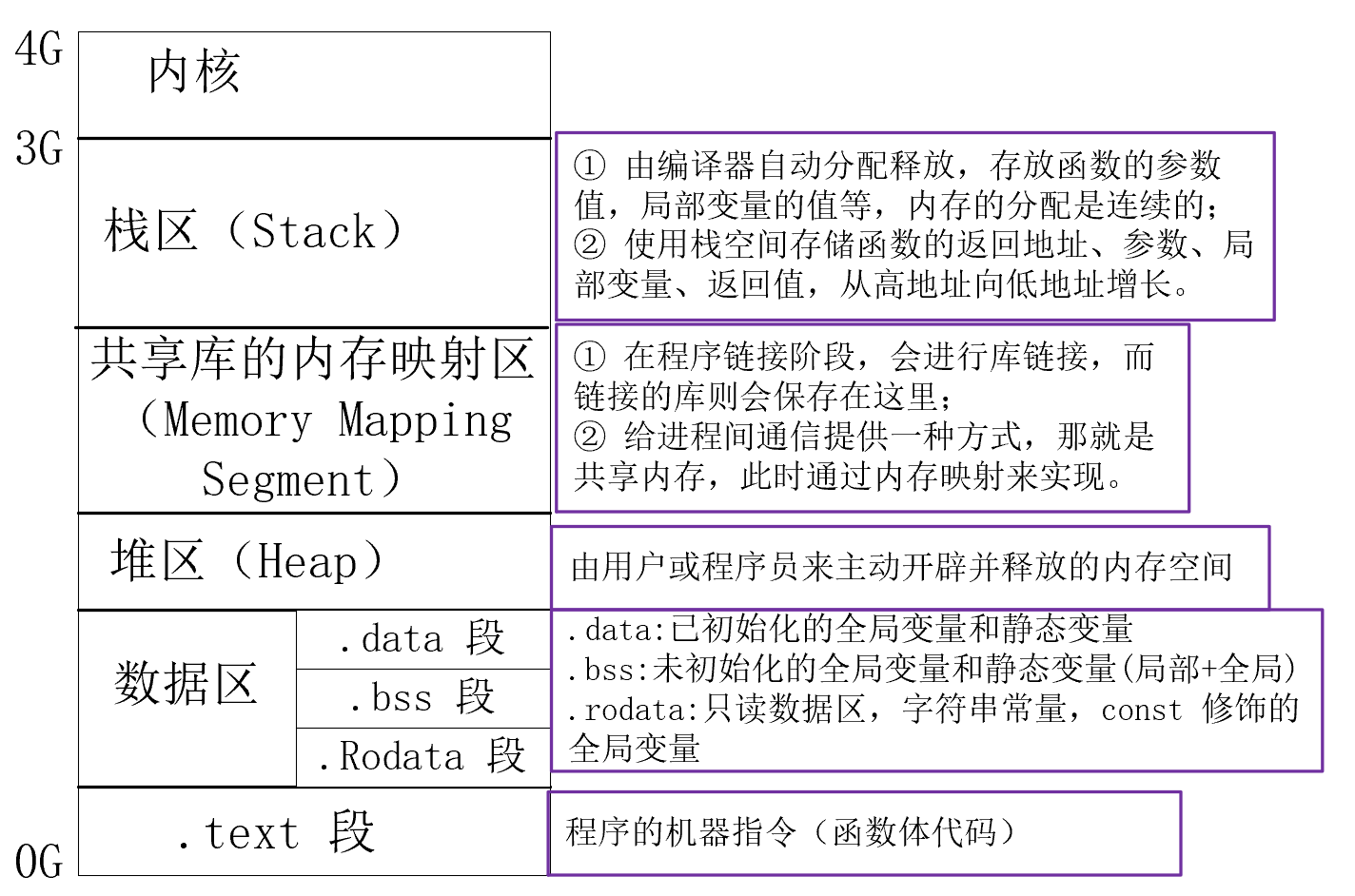
这是操作系统在管理进程内存时划分出的一块具体物理内存区域(通常位于虚拟地址空间的高地址,向下增长)。
核心作用:专门用来管理函数调用。
存储内容:存放局部变量、函数参数、返回地址、栈帧(Stack Frame)信息。
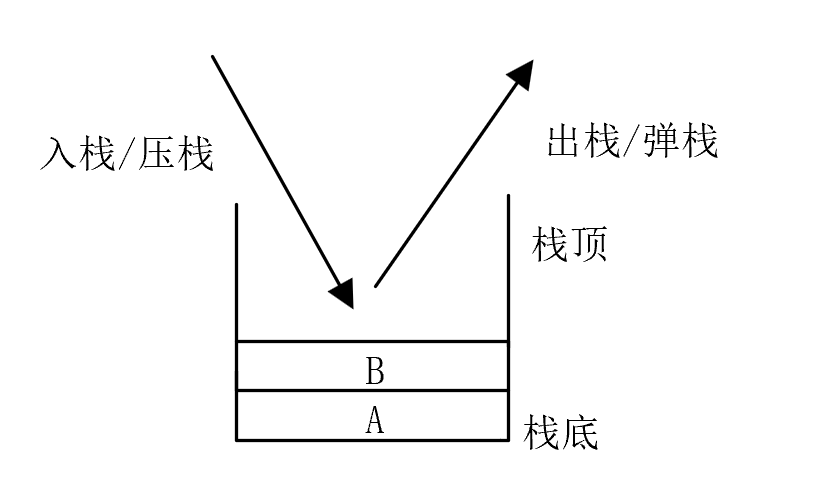
行为依据:它遵循“先进后出”的规则
1.2 栈结构(数据结构中的栈)
① 这是数据结构中的一种线性存储结构,只允许从一端进行数据插入和删除的线性存储结构,是一种逻辑模型/抽象数据类型。
核心规则:先进后出(FILO,Firstt In Las Out)
② 栈结构分类:顺序栈(空间连续)、链式栈(非连续空间)
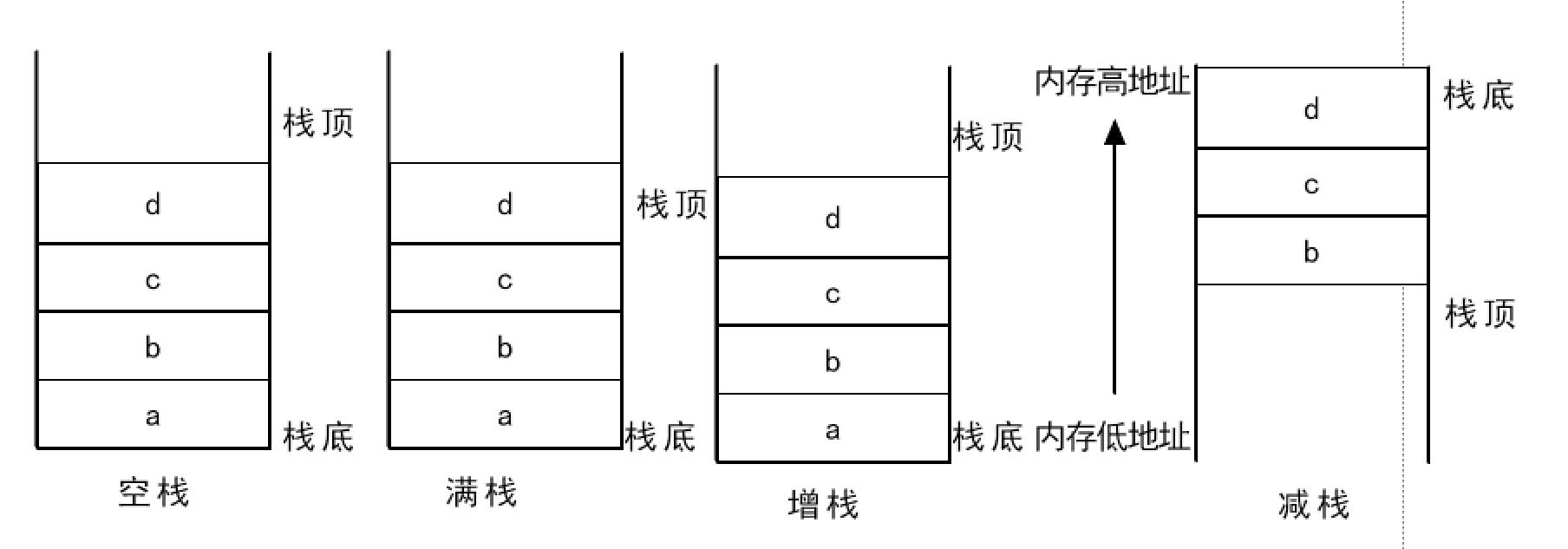
③ 顺序栈分类:满增栈,满减栈,空增栈,空减栈
满栈/空栈:栈顶所在位置是否存有元素
增栈/减栈:根据栈的生长方向决定
- 满栈(Full Stack):栈顶指针 指向最后一个被压入栈的有效数据(即栈顶元素)。此时,如果直接向 P 指向的地址写数据,会覆盖掉现有数据。
- 空栈(Empty Stack):栈顶指针 指向最后一个有效数据之上的下一个空闲位置(即栈顶元素的下一个空白单元)。此时,P 指向的地址是空的,可以直接写入数据。
- 增栈(Ascending Stack):栈底在低地址,栈顶在高地址。压栈时,栈顶指针 向高地址方向移动(地址越来越大)。
- 减栈(Descending Stack):栈底在高地址,栈顶在低地址。压栈时,栈顶指针 向低地址方向移动(地址越来越小)。
类型 压栈(PUSH)执行顺序 示意图理解 满增栈 ① 先移动指针(+1) → ② 再写入数据 指针先指向下一个高地址空白处,把数据填进去。此时指针指向有效数据。 空增栈 ① 先写入数据 → ② 再移动指针(+1) 指针原本就指向空白处,先把数据填进去,然后指针向上移动到下一个空白位置。此时指针指向空位。 满减栈 ① 先移动指针(-1) → ② 再写入数据 (x86常用)指针先减1指向低地址的空位,填入数据。此时指针指向有效数据。 空减栈 ① 先写入数据 → ② 再移动指针(-1) 指针原本指向空白处,先填入数据,然后指针向下移动到下一个低地址空白处。此时指针指向空位。
二、链式栈的实现
2.1 链式栈介绍
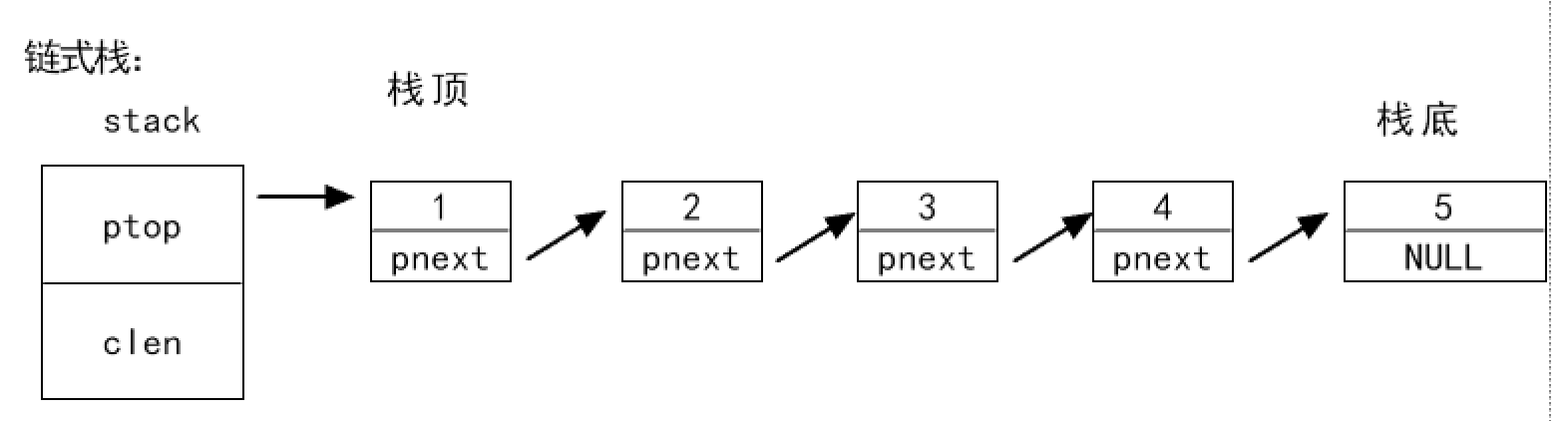
① 链式栈是一种采用单链表来实现栈的抽象数据类型(ADT)。其中,栈顶指针(Top)通常指向链表的头结点(或第一个数据节点),所有的入栈(Push)和出栈(Pop)操作都限制在链表的表头这一端进行。
② 链式栈在内存中由一系列不连续的节点(Node)组成,每个节点包含两个域:
数据域:存储元素的值。
指针域:存储下一个节点的地址(
next)。
2.2 栈的声明
typedef int DataType_t;
typedef struct node // 定义节点结构
{
	DataType_t data; // 数据域
	struct node *pnext; // 指针域
}SNode_t;

typedef struct stack // 定义链式栈
{
	SNode_t *ptop; // 栈顶指针
	int clen;  // 栈中元素个数
}Stack_t;
2.3 创建链式栈对象和节点
//创建链式栈
Stack_t *create_link_stack()
{
	//pstack 一个指针变量,用来接收 malloc 返回的内存首地址
    Stack_t *pstack = malloc(sizeof(Stack_t)); //在堆区申请内存
	if (NULL == pstack) //内存分配失败处理
	{
		printf("malloc error\n");
		return NULL;
	}
	pstack->ptop = NULL; //初始化,栈顶指针指向 NULL
	pstack->clen = 0;
	return pstack;
}

//创建链式栈中节点
SNode_t *create_node(DataType_t data)
{
	SNode_t *pnode = malloc(sizeof(SNode_t));
	if (NULL == pnode)
	{
		printf("malloc error\n");
		return NULL;
	}
    //将函数参数传入的数据存入节点的数据域,完成值的拷贝
	pnode->data = data;
	pnode->pnext = NULL;
	return pnode;
}
2.4 判断是否为空栈
//链式栈中判空函数
int is_empty_stack(Stack_t *pstack)
{
    //返回 1(真)表示空栈,返回 0(假)表示非空
	return NULL == pstack->ptop;
}
2.5 入栈
//链式栈的入栈(Push)
int push_stack(Stack_t *pstack, DataType_t data)
{
	SNode_t *pnode = create_node(data); //创建新节点
	if (NULL == pnode) //堆内存耗尽
	{
		return -1;
	}
	pnode->pnext = pstack->ptop; //新节点的 pnext 指向当前栈顶节点
	pstack->ptop = pnode; //将栈顶指针 ptop 更新为新节点
	pstack->clen++; //更新栈长度
	return 0;
}
2.6 出栈
① 函数传参:
- 入参:函数内部需要使用的条件
- 出参:通过参数向被调函数传递结果
② 二级指针:
- 被调函数中修改主调函数中的指针变量,需要传递该变量的地址,形参使用二级指针
- 指针数组,数组的数组名是二级指针
//链式栈的出栈(Pop)
int pop_stack(Stack_t *pstack, DataType_t *pdata)
{
	if (is_empty_stack(pstack))
	{
		return -1;
	}
    //定义一个临时指针 ptmp,保存当前栈顶节点的地址
	SNode_t *ptmp = pstack->ptop;
    //将栈顶指针更新为原栈顶节点的下一个节点
	pstack->ptop = ptmp->pnext;
	if (pdata != NULL) //判断调用者是否提供了有效的接收指针
	{
		*pdata = ptmp->data; //将备份节点中的数据赋值给调用者传入的变量
	}
	free(ptmp); //调用 free 函数,将备份节点占用的堆内存归还给操作系统
	pstack->clen--; //更新栈长度
	return 0;
}
2.7 遍历栈
void show_stack(Stack_t *pstack)
{
	SNode_t *ptmp = pstack->ptop;
	while (ptmp)
	{
		printf("%d ", ptmp->data);
		ptmp = ptmp->pnext;
	}
	printf("\n");
}
2.8 获取栈顶元素
int get_stack_top(Stack_t *pstack, DataType_t *pdata)
{
	if (is_empty_stack(pstack))
	{
		return -1;
	}
	if (pdata != NULL)
	{
        //通过栈顶指针 ptop 直接访问栈顶节点的数据域
		*pdata = pstack->ptop->data;
	}
	return 0;
}
2.9 销毁栈
void destroy_stack(Stack_t *pstack)
{
	while (!is_empty_stack(pstack))
	{
		//传入 NULL 作为第二个参数,表示只删除节点,不关心数据值
       pop_stack(pstack, NULL);
	}
	free(pstack);
}
2.10 附件代码
① stack.h
#ifndef __STACK_H__
#define __STACK_H__

typedef int DataType_t;
typedef struct node
{
	DataType_t data;
	struct node *pnext;
}SNode_t;

typedef struct stack
{
	SNode_t *ptop;
	int clen;
}Stack_t;

extern Stack_t *create_link_stack();
extern int push_stack(Stack_t *pstack, DataType_t data);
extern void show_stack(Stack_t *pstack);
extern int pop_stack(Stack_t *pstack, DataType_t *pdata);
extern int get_stack_top(Stack_t *pstack, DataType_t *pdata);
extern void destroy_stack(Stack_t *pstack);

#endif
② stack.c
#include "stack.h"
#include <stdio.h>
#include <stdlib.h>

Stack_t *create_link_stack()
{
	Stack_t *pstack = malloc(sizeof(Stack_t));
	if (NULL == pstack)
	{
		printf("malloc error\n");
		return NULL;
	}
	pstack->ptop = NULL;
	pstack->clen = 0;
	return pstack;
}

SNode_t *create_node(DataType_t data)
{
	SNode_t *pnode = malloc(sizeof(SNode_t));
	if (NULL == pnode)
	{
		printf("malloc error\n");
		return NULL;
	}
	pnode->data = data;
	pnode->pnext = NULL;
	return pnode;
}

int push_stack(Stack_t *pstack, DataType_t data)
{
	SNode_t *pnode = create_node(data);
	if (NULL == pnode)
	{
		return -1;
	}
	pnode->pnext = pstack->ptop;
	pstack->ptop = pnode;
	pstack->clen++;
	return 0;
}

void show_stack(Stack_t *pstack)
{
	SNode_t *ptmp = pstack->ptop;
	while (ptmp)
	{
		printf("%d ", ptmp->data);
		ptmp = ptmp->pnext;
	}
	printf("\n");
}

int is_empty_stack(Stack_t *pstack)
{
	return NULL == pstack->ptop;
}

int pop_stack(Stack_t *pstack, DataType_t *pdata)
{
	if (is_empty_stack(pstack))
	{
		return -1;
	}
	SNode_t *ptmp = pstack->ptop;
	pstack->ptop = ptmp->pnext;
	if (pdata != NULL)
	{
		*pdata = ptmp->data;
	}
	free(ptmp);
	pstack->clen--;
	return 0;
}

int get_stack_top(Stack_t *pstack, DataType_t *pdata)
{
	if (is_empty_stack(pstack))
	{
		return -1;
	}
	if (pdata != NULL)
	{
		*pdata = pstack->ptop->data;
	}
	return 0;
}

void destroy_stack(Stack_t *pstack)
{
	while (!is_empty_stack(pstack))
	{
		pop_stack(pstack, NULL);
	}
	free(pstack);
}
③ main.c
#include <stdio.h>
#include "stack.h"
int main(int argc, const char *argv[])
{
	Stack_t *pstack = NULL;
	DataType_t data;
	pstack = create_link_stack();
	if (NULL == pstack)
	{
		return -1;
	}

	push_stack(pstack, 1);
	push_stack(pstack, 2);
	push_stack(pstack, 3);
	push_stack(pstack, 4);
	push_stack(pstack, 5);

	show_stack(pstack);

	int ret = pop_stack(pstack, &data);
	if (0 == ret)
	{
		printf("data = %d\n", data);
	}

	ret = get_stack_top(pstack, &data);
	if (0 == ret)
	{
		printf("top %d\n", data);
	}

	destroy_stack(pstack);
	return 0;
}
三、 malloc疑点
① 在申请内存空间时需要指定大小,但释放时只需传入指针而无需提供大小,这是为什么?
因为
malloc在申请内存时,操作系统/运行库内部维护了一张“地址-大小”映射表(或存储在返回地址前的头部信息中)。free只需传入指针,就能通过查表或读头部找到要释放的确切大小,因此无需额外传参。
底层记账机制:
malloc申请内存时,内存分配器会额外存储此次分配的元数据(包括大小、起始地址等)。这些元数据要么存放在返回地址前的头部(Header)中,要么存放在操作系统维护的映射表里。释放时的查找流程:
free(p)被调用时,运行库通过指针p逆向寻址找到头部,或查表定位到该内存块的实际大小,然后精准回收整块内存。避免野指针:内存释放后,该指针
p仍然保存着旧地址(变成野指针)。最好在free(p)后立即执行p = NULL;,防止后续误操作(如if(p != NULL)判断失效)导致悬空指针(Dangling Pointer)引发的崩溃。

openEuler 是由开放原子开源基金会孵化的全场景开源操作系统项目,面向数字基础设施四大核心场景(服务器、云计算、边缘计算、嵌入式),全面支持 ARM、x86、RISC-V、loongArch、PowerPC、SW-64 等多样性计算架构
更多推荐

 10
10 0
0- 0


 已为社区贡献2条内容

所有评论(0)