鸿蒙NEXT新特性全面解析:ArkTS引擎、分布式架构与开发者体验升级
前言

2024年,HarmonyOS NEXT(鸿蒙NEXT)正式发布,标志着华为自主操作系统进入了一个全新的发展阶段。这一版本彻底剥离了Linux内核兼容层,实现了真正意义上的全栈自研,同时带来了ArkTS语言的大规模普及、分布式能力的大幅增强以及开发工具链的全面升级。本文将从技术架构、语言特性、分布式能力和开发体验四个维度,深入剖析鸿蒙NEXT的核心新特性,并配以完整的代码示例,帮助开发者快速上手。
一、ArkTS:鸿蒙应用开发的核心语言
1.1 什么是ArkTS
ArkTS是华为为鸿蒙生态量身定制的应用开发语言,基于TypeScript扩展而来,深度融合了ArkUI声明式UI框架和鸿蒙系统能力。与传统命令式UI开发相比,ArkTS通过声明式语法大幅简化了界面构建逻辑,让开发者能够以更少的代码实现更复杂的功能。
ArkTS继承了TypeScript的全部特性,包括强类型检查、接口、泛型、装饰器等,同时针对移动端场景进行了专项优化,例如对并发能力的原生支持和对系统资源的精细管控。
1.2 声明式UI开发示例
以下是一个完整的ArkTS页面示例,展示了声明式UI的基本写法:
// src/pages/Index.ets
import router from '@ohos.router'

@Entry
@Component
struct Index {
  @State message: string = 'Hello HarmonyOS NEXT'
  @State count: number = 0

  build() {
    Column() {
      Text(this.message)
        .fontSize(32)
        .fontWeight(FontWeight.Bold)
        .margin({ top: 40, bottom: 20 })

      Text(`计数器: ${this.count}`)
        .fontSize(24)
        .fontColor('#666666')
        .margin({ bottom: 30 })

      Row({ space: 20 }) {
        Button('-')
          .width(80)
          .height(80)
          .fontSize(32)
          .onClick(() => {
            if (this.count > 0) {
              this.count--
            }
          })

        Button('+')
          .width(80)
          .height(80)
          .fontSize(32)
          .onClick(() => {
            this.count++
          })
      }
      .justifyContent(FlexAlign.Center)
      .width('100%')

      Button('重置')
        .margin({ top: 30 })
        .onClick(() => {
          this.count = 0
        })
    }
    .width('100%')
    .height('100%')
    .padding(20)
  }
}
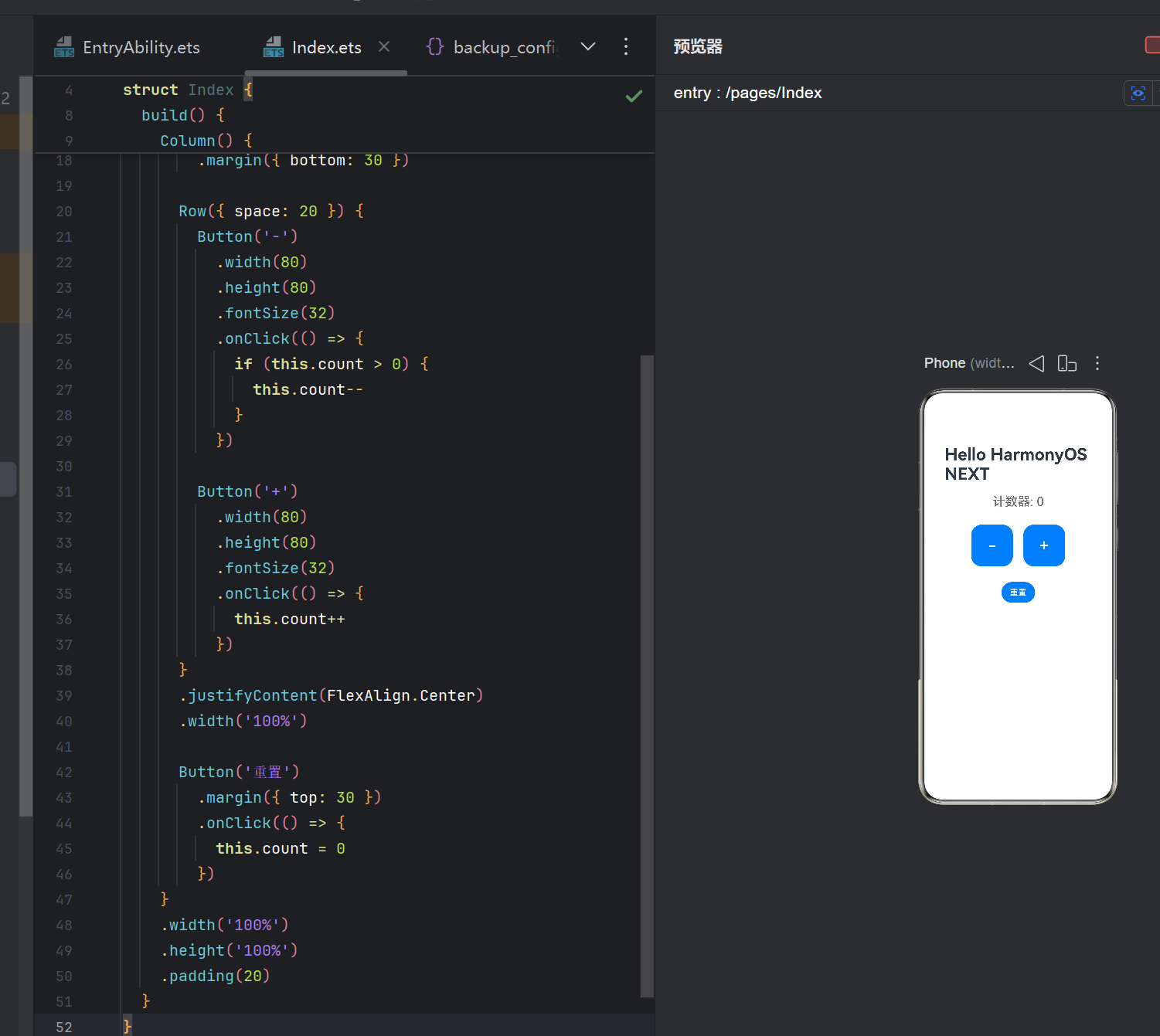
在这个示例中,@Entry 装饰器标记了页面的入口组件,@Component 表示这是一个自定义组件,@State 装饰器则用于管理组件内部的状态——当状态变化时,UI会自动重新渲染,这就是ArkUI响应式绑定的核心机制。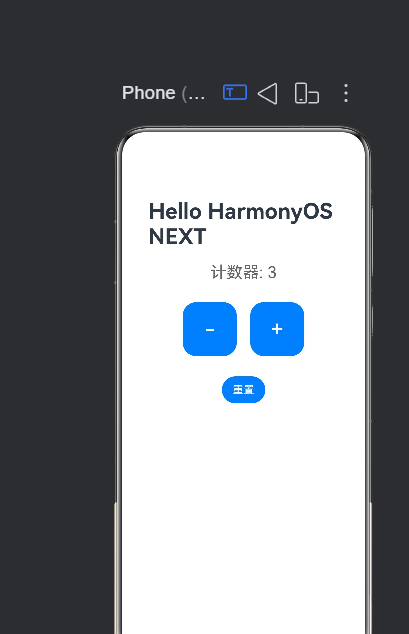
1.3 ArkTS的并发能力:TaskPool与Worker
为了解决JavaScript单线程执行带来的性能瓶颈,ArkTS引入了TaskPool和Worker两种并行化方案。
// TaskPool 示例:适合短时任务
import taskpool from '@ohos.taskpool'

@Concurrent
async function fetchDataFromServer(url: string): Promise<string> {
  const response = await fetch(url)
  return response.text()
}

async function loadData() {
  const task = new taskpool.Task(fetchDataFromServer, 'https://api.example.com/data')
  const result = await taskpool.execute(task) as string
  console.info('Received data:', result)
  return result
}
// Worker 示例:适合长时任务
// 创建 Worker 文件:src/workers/DataProcessor.ets
export class DataProcessorWorker {
  onmessage(message: MessageEvents): void {
    const data = message.data
    const processed = this.processLargeData(data)
    postMessage(processed)
  }

  private processLargeData(data: number[]): number[] {
    return data.map(item => item * 2 + 1)
  }
}

// 主线程中使用 Worker
import worker from '@ohos.worker'

const workerInstance = new worker.ThreadWorker(
  'src/workers/DataProcessor.ets',
  { name: 'dataProcessor' }
)

workerInstance.onmessage = (event) => {
  console.info('Processed result:', event.data)
}

workerInstance.postMessage([1, 2, 3, 4, 5])
二、Stage模型:应用架构的全面革新
2.1 Stage模型 vs FA模型
鸿蒙NEXT全面采用Stage模型作为应用的核心架构。Stage模型是鸿蒙3.0引入的新一代应用模型,相比早期使用的FA(Feature Ability)模型,Stage模型在以下几个方面实现了显著改进:
- 进程隔离更清晰:将应用功能拆分为Entry(主模块)和Feature(功能模块),支持按需加载
- 窗口管理更灵活:通过WindowStage实现窗口级别的生命周期管理
- 跨设备迁移更便捷:基于分布式软总线的能力,Stage模型天然支持多端协同
2.2 Ability生命周期管理
// src/ets/entryability/EntryAbility.ets
import UIAbility from '@ohos.app.ability.UIAbility'
import window from '@ohos.window'
import hilog from '@ohos.hilog'

const TAG = 'EntryAbility'
const DOMAIN = 0x0001

export default class EntryAbility extends UIAbility {
  onCreate(want, launchParam) {
    hilog.info(DOMAIN, TAG, 'Ability onCreate')
    this.initGlobalResources()
  }

  onDestroy() {
    hilog.info(DOMAIN, TAG, 'Ability onDestroy')
    this.cleanupResources()
  }

  onWindowStageCreate(windowStage: window.WindowStage) {
    hilog.info(DOMAIN, TAG, 'Ability onWindowStageCreate')
    windowStage.loadContent('pages/Index', (err, data) => {
      if (err.code) {
        hilog.error(DOMAIN, TAG, 'Failed to load content: %{public}s', JSON.stringify(err))
        return
      }
      hilog.info(DOMAIN, TAG, 'Succeeded in loading content')
    })
  }

  onWindowStageDestroy() {
    hilog.info(DOMAIN, TAG, 'Ability onWindowStageDestroy')
  }

  onForeground() {
    hilog.info(DOMAIN, TAG, 'Ability onForeground')
  }

  onBackground() {
    hilog.info(DOMAIN, TAG, 'Ability onBackground')
  }
}
三、分布式能力:一次开发,多端部署
3.1 分布式软总线与设备发现
鸿蒙NEXT的分布式能力是其最具差异化的特性之一。通过分布式软总线,应用可以自动发现同一局域网内的鸿蒙设备,并建立安全连接。
import deviceManager from '@ohos.distributedDeviceManager'

const deviceManagerInstance = deviceManager.createDeviceManager('com.example.app')

deviceManagerInstance.on('deviceStateChange', (data) => {
  switch (data.code) {
    case 0:
      console.info(`Device online: ${data.device.name}`)
      break
    case 1:
      console.info(`Device offline: ${data.device.name}`)
      break
  }
})

function getOnlineDevices() {
  const devices = deviceManagerInstance.getAvailableDeviceListSync()
  return devices.filter(device => device.deviceType !== -1)
}
3.2 分布式数据对象与跨设备同步
import distributedDataObject from '@ohos.data.distributedDataObject'

interface UserProfile {
  name: string
  age: number
  avatar: string
}

const userProfile = distributedDataObject.createShareObject<UserProfile>({
  name: 'User',
  age: 18,
  avatar: ''
})

userProfile.on('change', (sessionId, changedData) => {
  console.info(`Data changed by ${sessionId}:`, JSON.stringify(changedData))
  this.updateUI(changedData)
})

userProfile.name = 'HarmonyOS Developer'
userProfile.age = 25
3.3 跨设备应用流转
import continuationManager from '@ohos.app.ability.continuationManager'

async function startContinuation() {
  const result = await continuationManager.startContinuationGuard({
    want: {
      devices: ['deviceId-1', 'deviceId-2'],
      abilityName: 'com.example.app.MainAbility'
    },
    initData: {
      taskId: 'task-123',
      taskProgress: 65,
      timestamp: Date.now()
    },
    timeout: 30000
  })

  if (result.result === 0) {
    console.info('Continuation started successfully')
  }
}

export default class TargetAbility extends UIAbility {
  onContinue(want, launchParam) {
    const initData = want.parameters?.initData
    console.info('Received continuation data:', JSON.stringify(initData))
    this.restoreTaskState(initData)
    return 0
  }
}
四、DevEco Studio 5.0 与工具链升级
4.1 新特性概览
与鸿蒙NEXT配套的DevEco Studio 5.0带来了诸多重磅更新:
| 特性 | 描述 |
|---|---|
| 实时预览增强 | 支持ArkTS代码修改后立即在预览器中看到效果 |
| 分布式调试 | 可以同时连接多台设备进行联合调试 |
| 智能代码补全 | 基于AI的代码补全和建议 |
| 热重载 | 修改UI代码后无需重启应用即可刷新界面 |
| 多语言支持 | ArkTS、Java、C++混编项目支持更完善 |
4.2 实用命令行操作
# 使用hdc命令行工具安装应用(调试模式)
hdc shell bm install -p /data/app/base/com.example.app

# 查看应用日志
hdc shell hilog -r | grep "com.example.app"

# 导出应用性能数据
hdc shell "cat /proc/\`pid\`/status" | grep VmRSS
五、总结与展望
鸿蒙NEXT的到来,不仅是操作系统层面的一次重大版本迭代,更代表着中国科技企业在基础软件领域取得的里程碑式突破。ArkTS语言的成熟让应用开发更加高效和安全;Stage模型的采用让复杂应用的架构更加清晰;分布式能力的增强让多设备协同真正从概念走向现实;而DevEco Studio的全面升级则大幅改善了开发者的日常体验。
对于正在或即将投入鸿蒙生态开发的工程师而言,深入理解这些新特性的设计理念和实践方法,将是构建优质应用的关键。掌握这些技术不仅意味着获得一项技能,更意味着站在了万物互联时代的技术前沿。

openEuler 是由开放原子开源基金会孵化的全场景开源操作系统项目,面向数字基础设施四大核心场景(服务器、云计算、边缘计算、嵌入式),全面支持 ARM、x86、RISC-V、loongArch、PowerPC、SW-64 等多样性计算架构
更多推荐

 0
0 0
0- 0


 已为社区贡献3条内容

所有评论(0)