后进先出的艺术,一文彻底搞懂栈
·
栈
栈结构:只允许从一端进行插入和删除数据的线性存储结构,成为栈结构。
数据插入和删除的这端成为栈顶,另一端成为栈底;
数据的插入称为入栈/压栈, 数据的删除称为出栈/弹栈。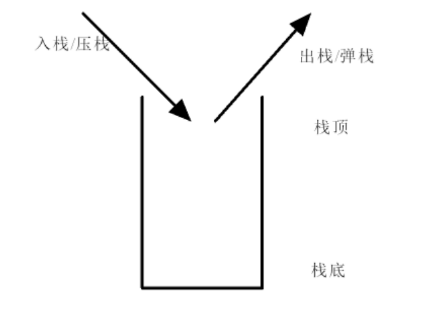
特点:先进后出(FILO)
栈的应用:
解决回溯问题
撤销功能、网页撤销功能缓存
判断回文字符串,判断成对出现的符号有没有丢失
顺序栈:
满增栈、空增栈、满减栈、空减栈
满栈、空栈:根据所在位置是否存有元素确定
栈顶所在位置一直存有元素称为满栈。
栈顶所在位置一直没有元素称为空栈。
增栈、减栈:根据栈的生长方向确定。
入栈数据时,栈顶向内存高地址移动,称为增栈,
入栈数据时,栈顶向内存低地址移动,称为减栈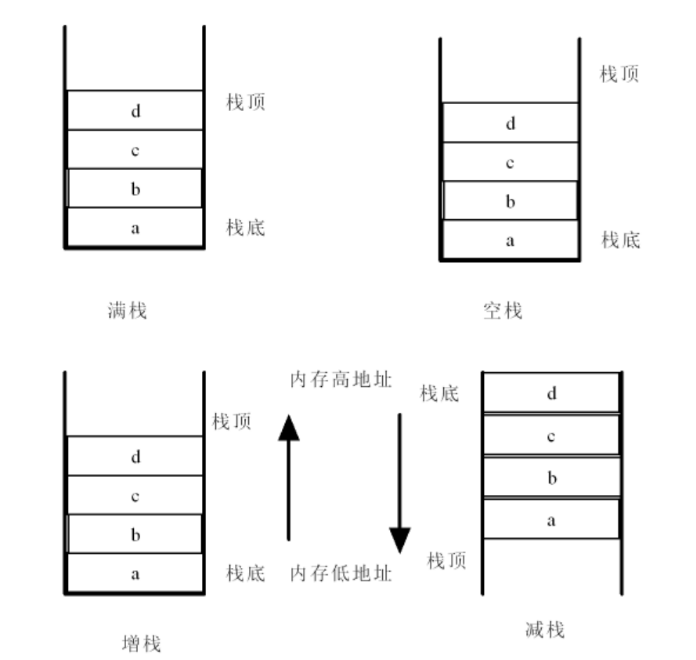
**链式栈:
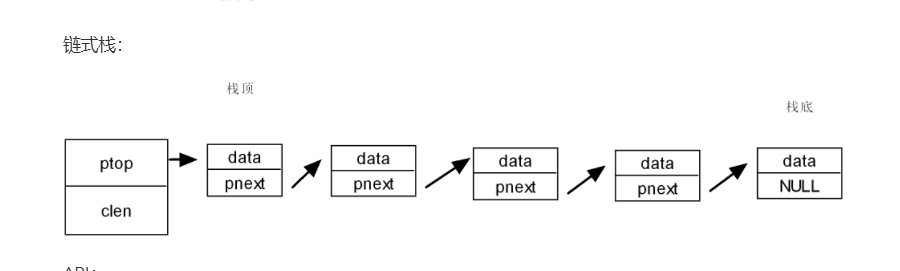
API:
- 创建栈
- 入栈
- 出栈
- 判栈空
- 获取栈顶元素
- 清空栈(删除栈中的所有结点)
- 销毁栈
stack.h中定义:
typedef int Data_t;

typedef struct node
{
    Data_t data;
    struct node *pnext;
}Node_t;


typedef struct stack
{
    Node_t *ptop;
    int clen;
}Stack_t;
创建链式栈:
Stack_t *create_stack()
{
    Stack_t *pstack = malloc(sizeof(Stack_t));
    if (NULL == pstack)
    {
        printf("malloc error\n");
        return NULL;
    }
    pstack->ptop = NULL;
    pstack->clen = 0;
	return pstack;
}
入栈:
int push_stack(Stack_t *pstack, Data_t data)
{
    Node_t *pnode = malloc(sizeof(Node_t));
    if (NULL == pnode)
    {
        printf("malloc error\n");
        return -1;
    }
    pnode->data = data;
    pnode->pnext = NULL;

pnode->pnext = pstack->ptop;
pstack->ptop = pnode;

pstack->clen++;

return 0;
}
出栈:
int pop_stack(Stack_t *pstack, Data_t *pdata)
{
    if (is_empty_stack(pstack))
    {
        return -1;
    }

Node_t *pfree = pstack->ptop;
pstack->ptop = pfree->pnext;
if (pdata != NULL)
{
    *pdata = pfree->data;
}
free(pfree);
pstack->clen--;

return 0;
}
判空:
int is_empty_stack(Stack_t *pstack)
{
    return NULL == pstack->ptop;
}
void clear_stack(Stack_t *pstack)
{
    while (!is_empty_stack(pstack))
    {
        pop_stack(pstack, NULL);
    }
}
打印:
void show_stack(Stack_t *pstack)
{
    Node_t *ptmp = pstack->ptop;
    while (ptmp)
    {
        printf("%d ", ptmp->data);
        ptmp = ptmp->pnext;
    }
    printf("\n");
}
获取栈顶元素:
int get_stack_top(Stack_t *pstack, Data_t *pdata)
{
    if (is_empty_stack(pstack))
    {
        return -1;
    }
    if (pdata != NULL)
    {
        *pdata = pstack->ptop->data;
        return 0;
    }
    return -1;
}
销毁:
void destroy_stack(Stack_t *pstack)
{
    clear_stack(pstack);
    free(pstack);
}
高频重难点 & 易错点
-
栈只能在一端操作!不能随意访问中间元素
-
顺序栈 top 初始值两种写法:
top=-1(指向有效元素)【最常用】
top=0(指向空闲位置),代码不要混用 -
链式栈推荐头作栈顶,不要用尾部,否则遍历找到尾部开销大
-
出栈和获取栈顶区别:
pop:取出元素 + 删除栈顶
gettop:只读取,不删除元素 -
栈不支持随机访问,不能直接查找中间元素
-
递归本质就是操作系统栈,递归深度过大 → 栈溢出
7.栈和队列核心区别
栈:LIFO 后进先出,同一端增删
队列:FIFO 先进先出,一端入、一端出

openEuler 是由开放原子开源基金会孵化的全场景开源操作系统项目,面向数字基础设施四大核心场景(服务器、云计算、边缘计算、嵌入式),全面支持 ARM、x86、RISC-V、loongArch、PowerPC、SW-64 等多样性计算架构
更多推荐

 18
18 0
0- 0


 已为社区贡献2条内容

所有评论(0)